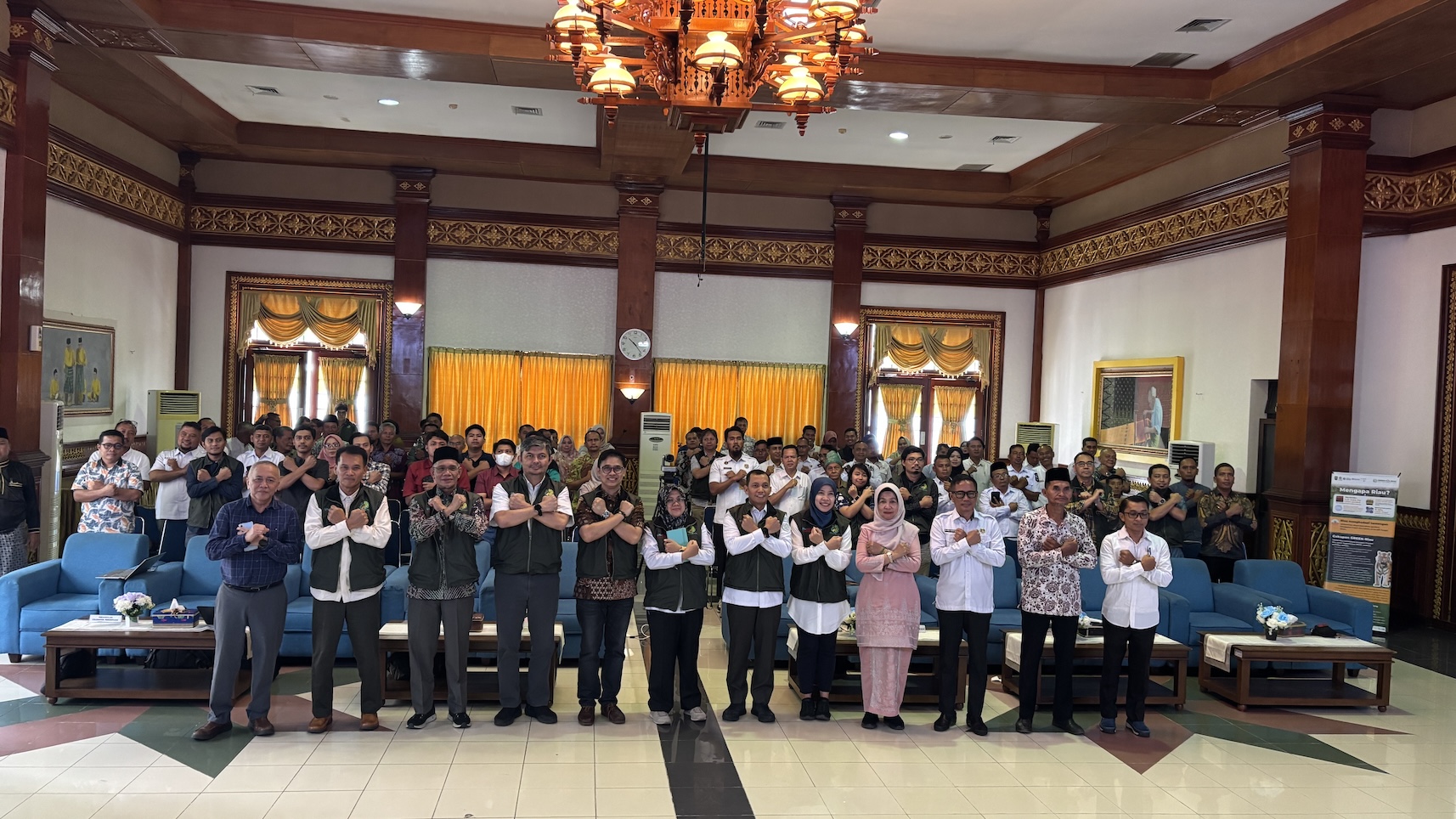
SIAK, February 25, 2026 – Government support and active stakeholder participation are key to implementing the Free, Prior, and Informed Consent (FPIC) principle in the GREEN for Riau initiative. This approach forms the foundation for inclusive, transparent, and equitable forest and land governance.
As part of this process, the GREEN for Riau Initiative (GREEN-Riau) conducted an activity titled "Information Delivery and Dialogue for GREEN-Riau Clusters in Siak, Pelalawan, and Meranti Islands." This activity provided a collaborative space for local governments, indigenous communities, social forestry, civil society organizations, PBPH (Regional Forestry Workers), academics, and development partners to align steps towards sustainable forest and land management while strengthening low-emission development in Riau Province.
Bambang Arifatmi, Country Coordinator of UNEP UN-REDD Programme Indonesia, emphasized that GREEN for Riau is a forest and land-based climate management initiative designed to strengthen regional resilience through emission reduction and community empowerment.
"This program is designed to reduce greenhouse gas emissions, strengthen community resilience, and ensure sustainable management of forest and peat ecosystems. We are encouraging a paradigm shift in forest and land management in Riau Province to be more inclusive, adaptive to climate change, and able to provide real and equitable benefits to the community," he said.
Meanwhile, the Regent of Siak, Dr. Afni Zulkifli, S.AP., M.Si., stated that the Siak Regency Government fully supports GREEN for Riau as a strategic step to strengthen the region's role in reducing emissions, protecting ecosystems, and empowering communities.
"This initiative demonstrates a shared commitment to inclusive and sustainable low-emission development."
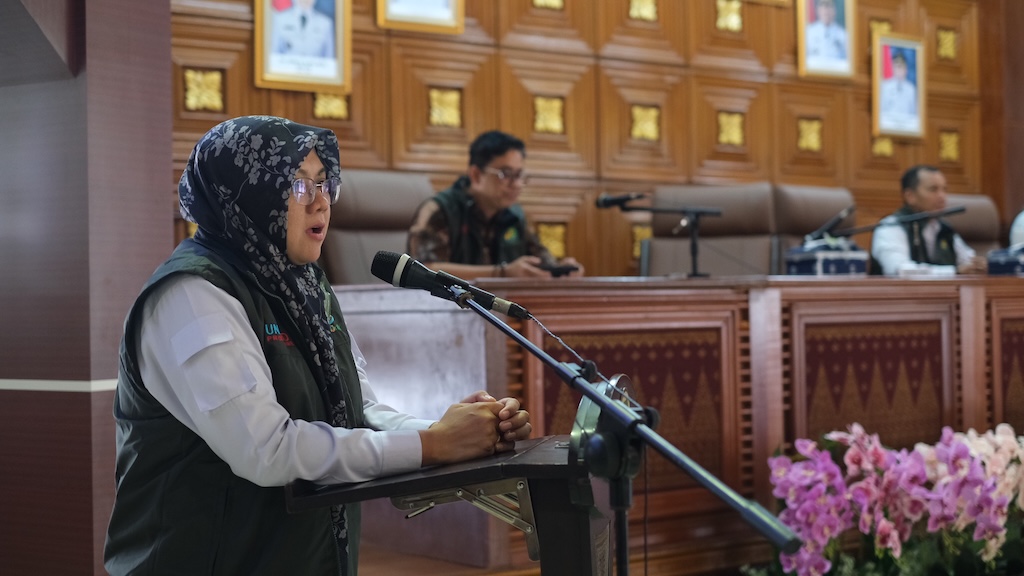
Riau Province REDD+ Strategy Action Plan (STRADA)
GREEN-Riau Mitigation Action Plan (MAP) Expert, Prof. Dr. Suwondo, explained that the development of the Regional Strategy and Action Plan (STRADA) document is a crucial step in supporting the implementation of GREEN for Riau at the regional level.
"STRADA is an important step in supporting the implementation of GREEN for Riau at the regional level. We hope this operational document can soon be used as a guide for emission control and sustainable forest and peatland management."
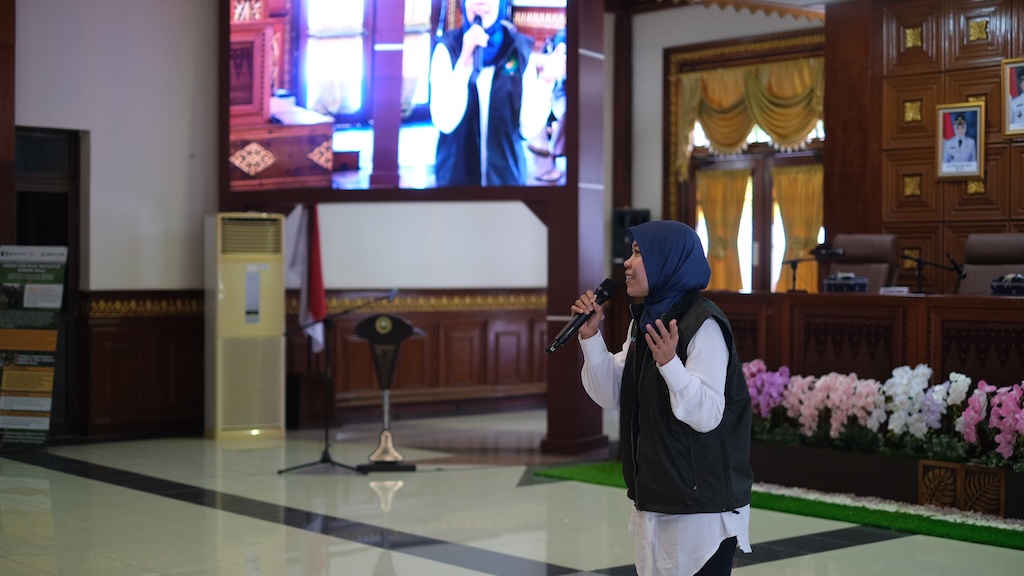
Strengthening Governance and Funding Transparency
In Parallel Session 1, attended by representatives from Regional Apparatus Organizations (OPD) and Technical Implementation Units (UPT), Grievance Redress Mechanism Expert Anwar Rosyadi and Budget Tagging Expert Rizky Rachmawati emphasized the importance of strengthening governance through stakeholder mapping, institutional strengthening, budget tagging, and identifying the need for a Feedback and Grievance Redress Mechanism (FGRM).
The approach used is collaborative and multi-stakeholder—pentahelix, multi-stakeholder, inclusive—so that all actors have clear and coordinated roles. Governance strengthening is also carried out through the registration and validation process in the SRN-PPI and international standards, as well as the establishment of financial mechanisms to ensure transparency, accountability, and an effective complaint handling mechanism.
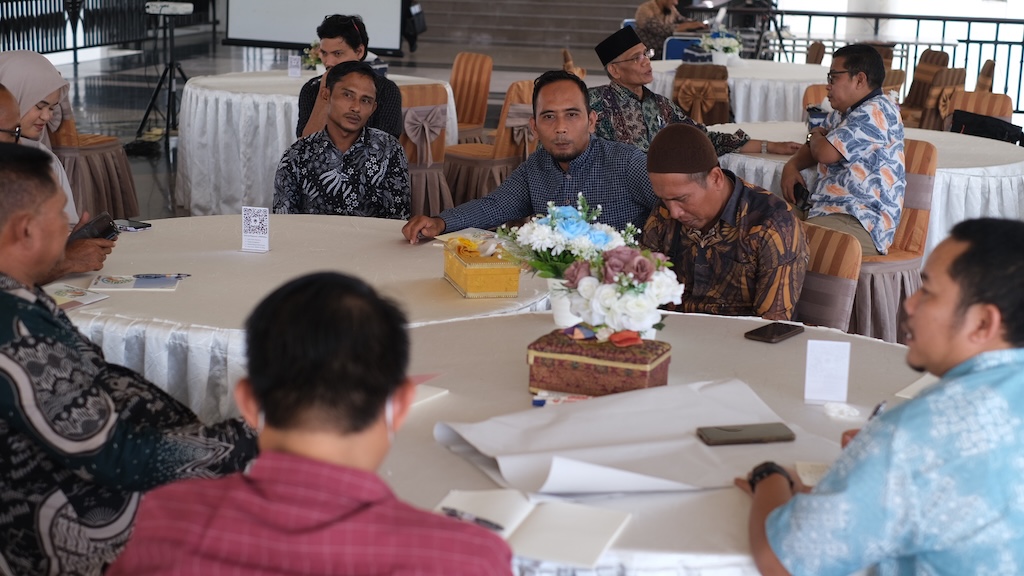
Inclusive Community Participation Parallel Session 2, which involved indigenous peoples, local communities, women's groups, and social forestry groups, emphasized the importance of active community participation in all stages of the program. Indigenous Peoples/Local Communities Expert, Himyul Wahyudi, S.E., and Gender Expert, Dzul Afifah Arifin, M.Sc., emphasized that the success of GREEN for Riau depends heavily on inclusive community involvement.
The application of the FPIC principle was reiterated as part of protecting community rights. Participation is not only interpreted as a beneficiary, but also as a key actor in program planning, implementation, and monitoring.
Mapping Social Risks and Conflicts
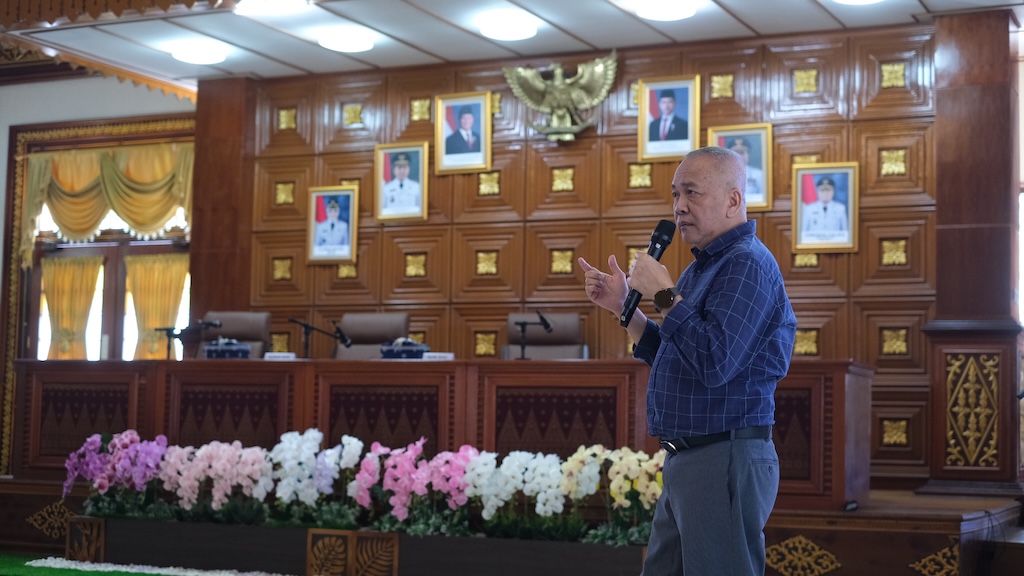
In the social risk mapping session, Stakeholder Engagement and Community Development Expert, Harry Oktavian, and Conflict Resolution Expert, Dr. Ir. Wiratno, M.Sc., highlighted the importance of identifying tenure conflicts and land conversion, which are key challenges in Riau.
"We are seeing such significant land conversion and tenure conflicts, that risk management must be an integral part of program implementation."
The complexity of forest and peatland management in Riau—which has both significant carbon potential and high economic pressure—demands a balance in development policies to ensure the transition to sustainable land management is equitable and does not create new social impacts.
Social Risk and Conflict Mapping
In the social risk mapping session, Stakeholder Engagement and Community Development Expert, Harry Oktavian, and Conflict Resolution Expert, Dr. Ir. Wiratno, M.Sc., highlighted the importance of identifying land tenure conflicts and land conversion, which are key challenges in Riau.
“We see such severe land conversion and land tenure conflicts, that risk management must be an integral part of program implementation.”
The complexity of forest and peatland management in Riau—which has both significant carbon potential and high economic pressures—demands balanced development policies to ensure a just transition to sustainable land management without creating new social impacts.
Commitment Towards Equitable Green Development
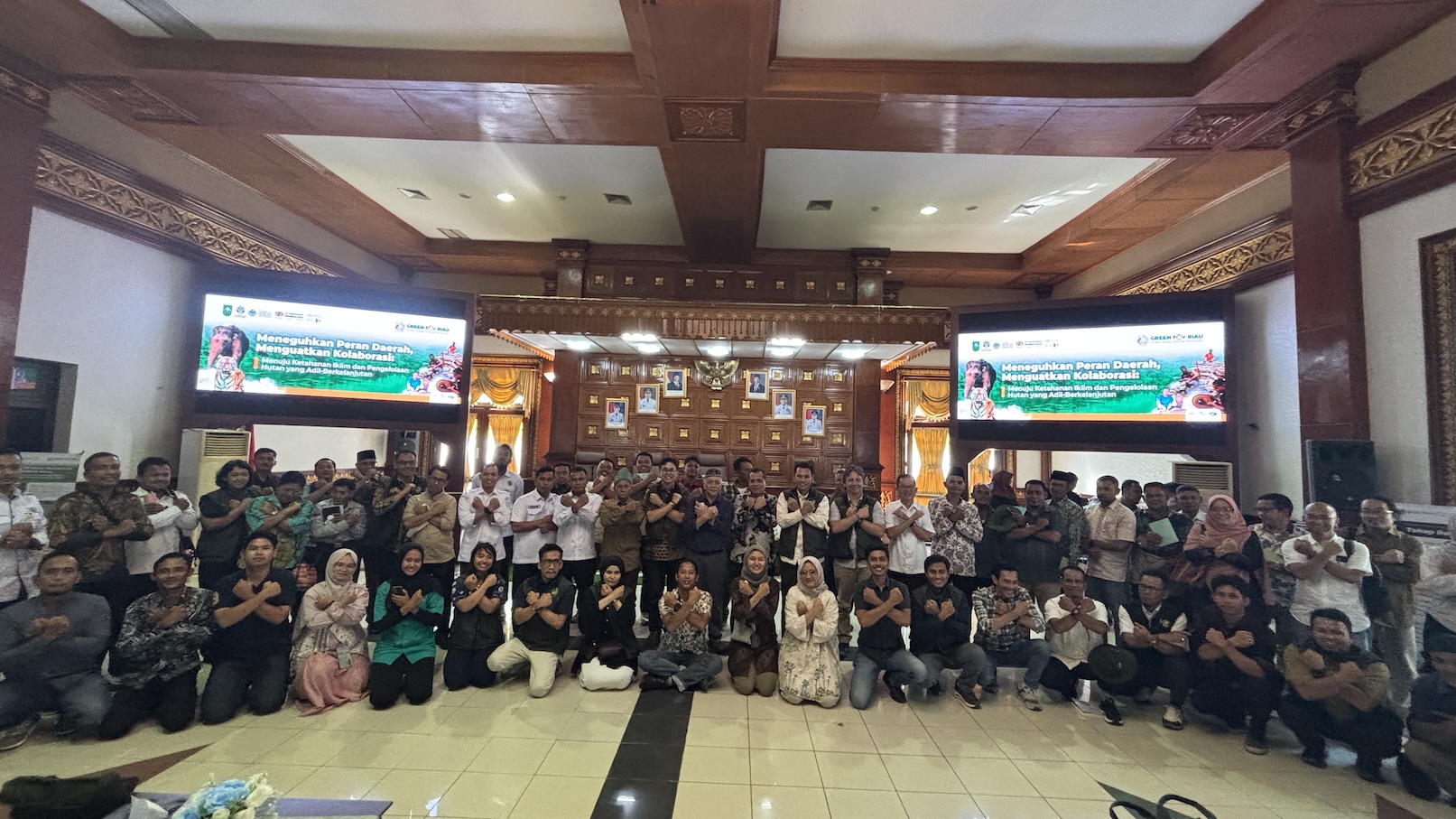
In the closing session, Dr. Matnuril, S.IP., Head of the Forest Planning and Utilization Division of the Riau Provincial Environment and Forestry Service, delivered a keynote address. , M.Sc., M.H., emphasized that efforts to protect forests and peatlands must go hand in hand with improving community welfare, while simultaneously providing justice for regions on the front lines of environmental protection. He believes that multi-stakeholder collaboration and performance-based incentive schemes are key to ensuring the GREEN for Riau initiative delivers tangible impacts, including reducing emissions, strengthening the community economy, and protecting ecosystems.
The GREEN for Riau Initiative is also expected to be a joint effort to strengthen the commitment to sustainable development in the region. Through support from various parties, this initiative aims to promote a greener, more inclusive, and more equitable Riau for its people and the environment.
About the UN-REDD Programme: The UN-REDD Programme is a collaboration between the United Nations (UNEP, FAO, UNDP) to assist developing countries in reducing emissions from deforestation and forest degradation and managing forests sustainably.