Towards finalizing the JREDD+ BSP, Riau addresses three key issues: benefit allocation, recognition of customary law communities, and benefit disbursement mechanisms
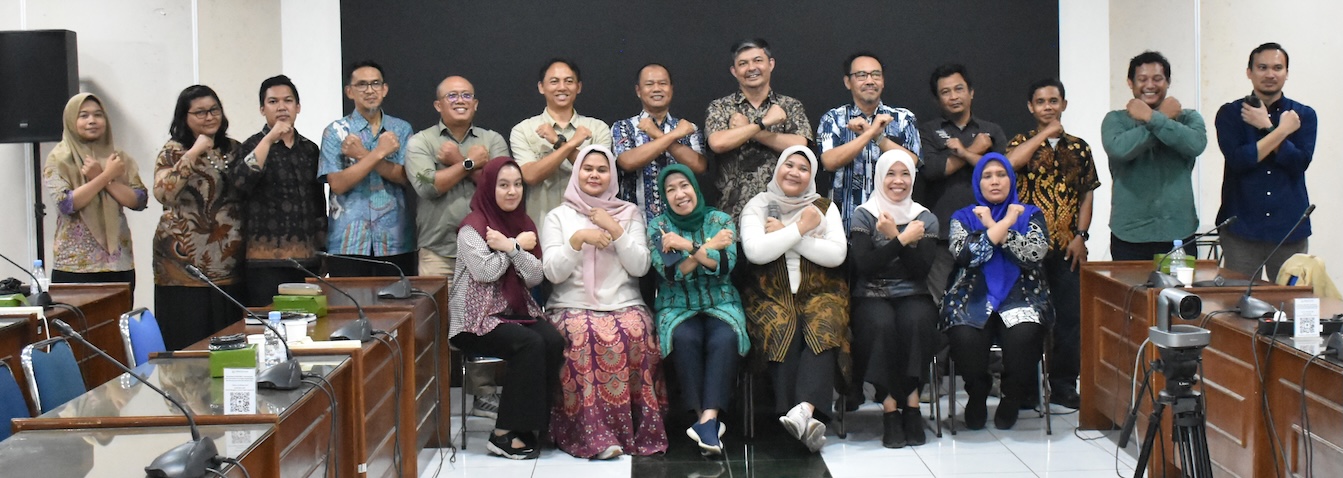
Pekanbaru, 22 October 2026 — The GREEN for Riau Benefit Sharing Mechanism Working Group (BSM Working Group) held a consolidation meeting to review stakeholder consultation outcomes and refine Riau’s draft JREDD+ Benefit Sharing Plan (BSP). The meeting took place at the Riau Provincial Bappeda Office and was attended by 18 of the Working Group’s 20 members.
The meeting followed a series of consultations with Indigenous Peoples, civil society organizations (CSOs), universities, the private sector, Forest Management Units (KPH), and district and city governments across Riau Province. Their input was reviewed to formulate revisions to the draft BSP, particularly regarding allocations, beneficiaries, and disbursement mechanisms.
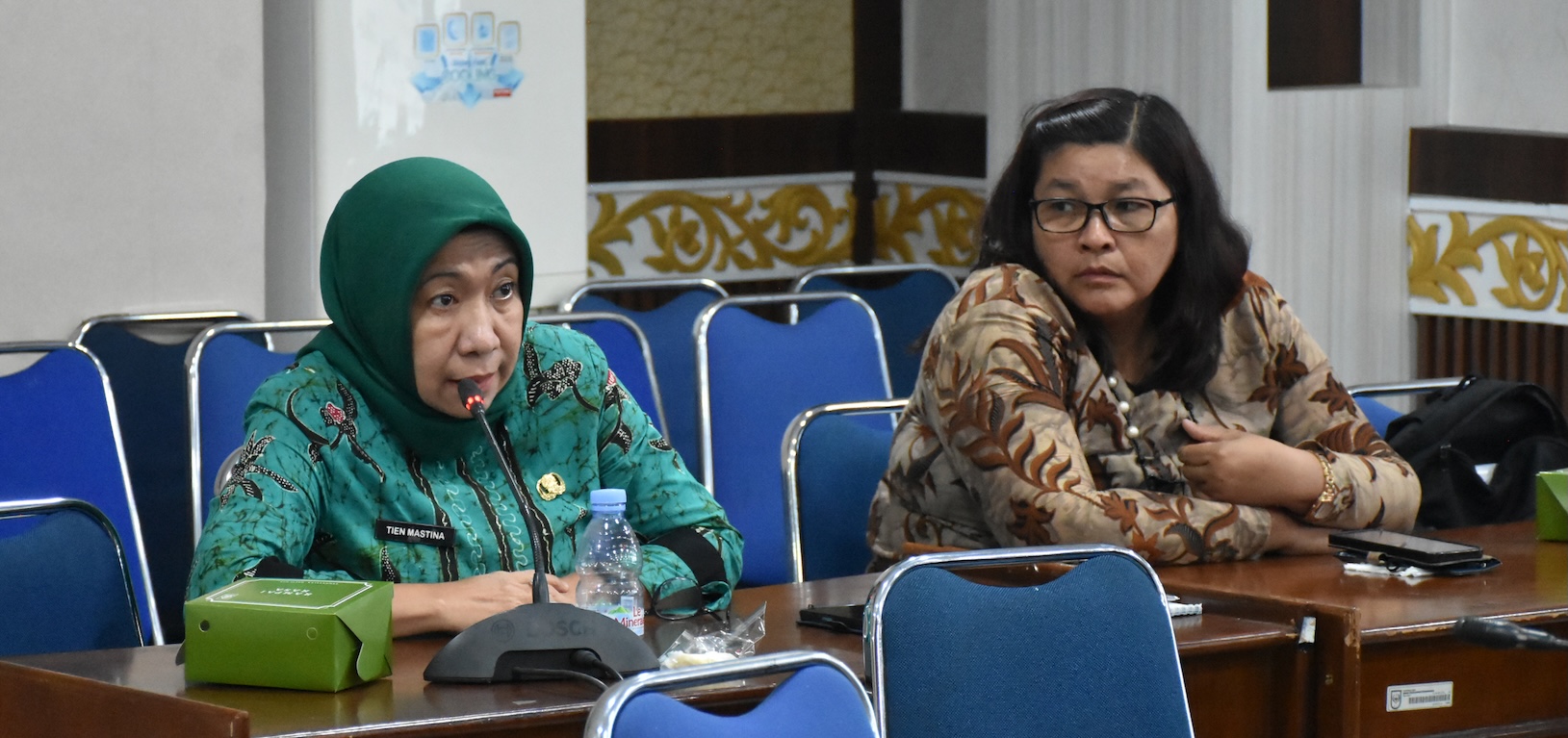
Abdul Madian, Chair of the GREEN for Riau BSM Working Group, explained that the discussions would inform the second version of the draft BSP, which would subsequently be used for outreach activities at the local level.
“We hope to reach agreement on the input from all stakeholders, including the private sector, academia, Indigenous Peoples, and, most recently, district and city governments. What we agree on will become the second version of the BSP document, which we hope will guide the team when conducting outreach on the ground,” Abdul Madian said.

Facilitated by Riko Wahyudi, GREEN for Riau’s BSP Expert, the meeting focused on three key issues: benefit allocation, recognition of customary law communities (MHA), and benefit disbursement mechanisms.
Riko explained that the BSP governs benefit sharing, from the use and disbursement of benefits to the institutions responsible for managing them. The document must also connect with national systems, including measurement and reporting, registries, nesting, and environmental and social safeguards.
“This is a governance instrument. It is not simply about distributing benefits; it also regulates how benefits are used, how they are disbursed, and the institutional arrangements involved,” Riko said.
On allocations, the Working Group agreed to increase the share for supporting activities by CSOs and local universities in Riau from 5 percent to 7.5 percent. The increase was drawn from the performance buffer allocation, which was reduced from 10 percent to 7.5 percent. The forum also proposed establishing a selection committee to assess activity proposals.

For the 15 percent responsibility allocation, the forum discussed a scenario of approximately 3 percent for the central government, 6 percent for the Riau Provincial Government, and 6 percent for district and city governments. This scenario serves as a provisional basis for further discussion, including with national-level stakeholders.
The meeting also discussed the criteria and supporting documents required for customary law communities to access benefits, including communities that have already obtained recognition and those still undergoing the recognition process. These discussions responded to Indigenous Peoples’ input on the need to clarify their standing and eligibility as beneficiaries.
Participants also highlighted the importance of involving women and other groups in accordance with Gender Equality, Disability and Social Inclusion (GEDSI) principles. In his presentation, Riko noted that women’s representation in previous meetings still needed to improve.
He also shared CSO input on the importance of meaningful participation.
“Vulnerable groups should not merely be invited to discussions. They must be meaningfully involved and provided with the understanding they need to articulate and express their views,” Riko said.
Regarding institutional arrangements for disbursement, the forum agreed on a two-stage transition through a dedicated Riau account at the Indonesian Environment Fund (BPDLH). During the initial stage, benefits are planned to be disbursed through an intermediary institution appointed by the Riau Provincial Government, while a regionally owned enterprise prepares to undergo accreditation. Once accredited, the enterprise is expected to replace the previously appointed intermediary institution.
As a follow-up, the BSM Working Group plans visits and consultations with district and city stakeholders through four clusters in the third or fourth week of November 2026. These activities aim to gather direct feedback from stakeholders and communities on the ground. Validation with national-level stakeholders is also planned before the document undergoes further refinement.
The consolidation outcomes were recorded in official minutes and will inform the updated draft BSP. Following further refinement, the final draft BSP is intended to provide the basis for developing standard operating procedures, including procedures for identifying beneficiaries.